Defense Wins Championships: The Importance of FR/AR Gear
General
FR Technical
FR Fabric Education
Ferrous Metals & Welding Protection
13 Mar 2023
It’s been said that offense wins games, but defense wins championships. Selecting protective gear that defends your workers in a complex market full of standards is difficult—so we’re creating an easy-to-learn logic to help you and your employees stay protected.
Caring for your FR/AR Garments: Three Vital Considerations
FR Fabric Education
13 Dec 2019
While properly wearing flame resistant (FR), arc-rated (AR) personal protective equipment (PPE) helps protect employees facing arc flash and short duration thermal exposures from fire, like flash fires, it is equally important to clean and maintain these protective garments. Proper care practices help ensure a PPE garment’s safety properties remain...
Flame resistant (FR), arc-rated (AR) personal protective equipment (PPE) is an important part of establishing a well-rounded safety program. Before donning their FR/AR PPE, however, employees need to be educated about their PPE garments so they can properly guard themselves against workplace hazards such as arc flashes or flash fires....
Three Ways Westex® DH Base Layer Fabric Changes the Game for FR/AR PPE Programs
FR Fabric Education
03 Sep 2019
Drawing from customer feedback and suggestions, the Westex® DH line of performance flame resistant (FR), arc rated (AR) fabrics was created to meet the most requested and pressing end-user needs for thermal hazard FR/AR personal protective equipment (PPE). Durable and robust, the line offers superior arc flash and flash fire...
Inside FR Technology Development: An Interview with Drew Child
FR Fabric Education
31 Jul 2019
Decades of expertise and a deep understanding of the science of a flame go into creating new arc rated (AR) and flame resistant (FR) fabrics. We sat down with Drew Child, Director of Technology and Program Director for Milliken’s Uniform and Protective Fabrics Business, to discover more about the process...
There are many factors that go into creating a high-quality FR fabric. While there are many flame resistant (FR) properties that are often mentioned, such as durability and industry certifications, there are some characteristics that tend to receive less attention. We rounded up five interesting facts that you may not...
Unexpected arc flash and short-duration thermal exposure from fire hazards, also known as flash fire, are a daily reality for electric utility and oil and gas workers. To help keep workers safe on the job, industrial personnel require ongoing hazard protection in addition to specific attire for certain tasks. Everyday...
Eight Things Oil and Gas Workers Should Know About Flash Fire
FR Fabric Education
General
17 Sep 2018
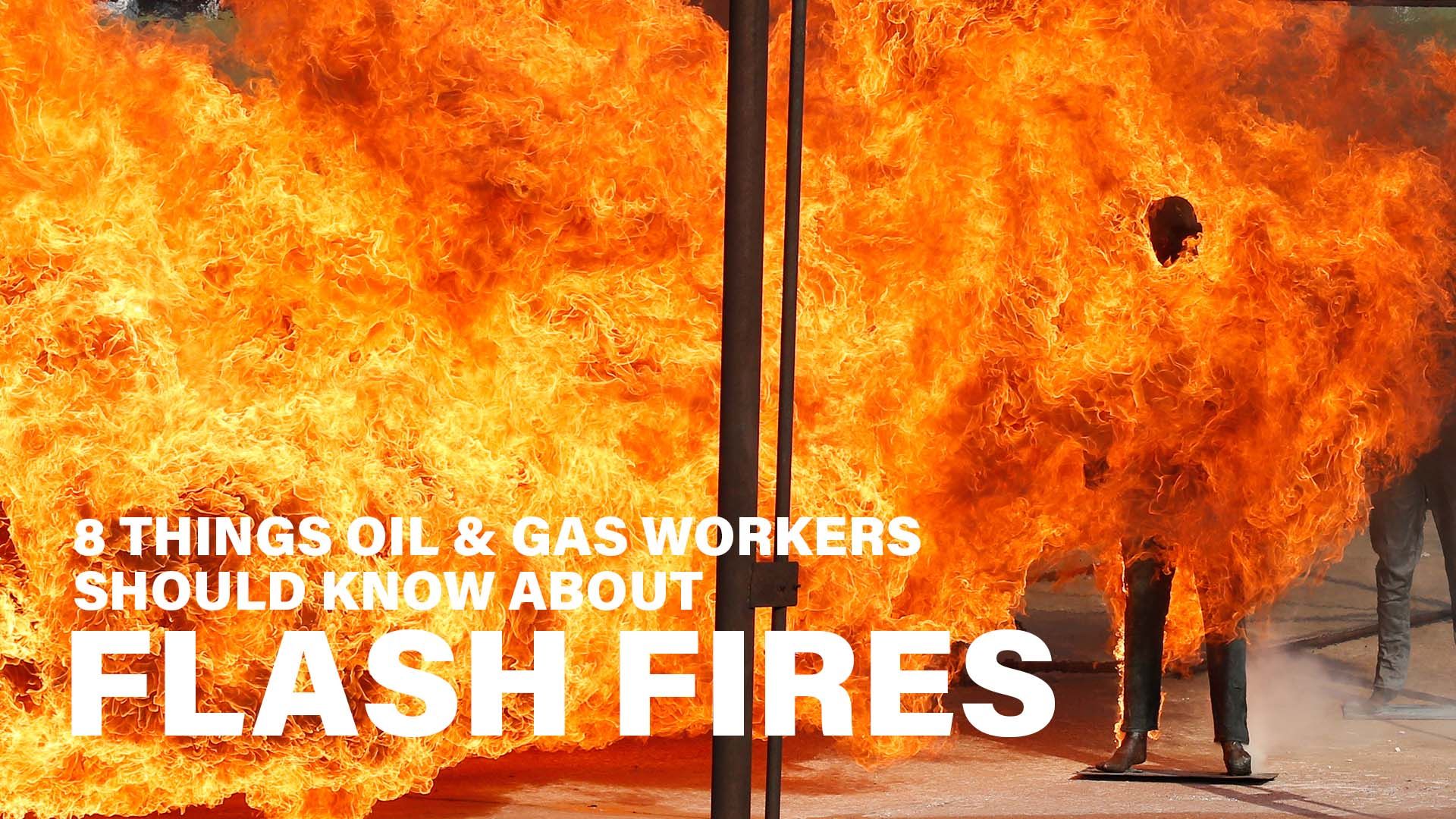
Flash fires and fuel-fed fires are different, and it's critical to distinguish between the two for various safety reasons. The potential exists for flash fires in the oil and gas industry. Flash fires are sudden, intense fires caused by ignition of flammable substances in air. While flash fires cannot be...
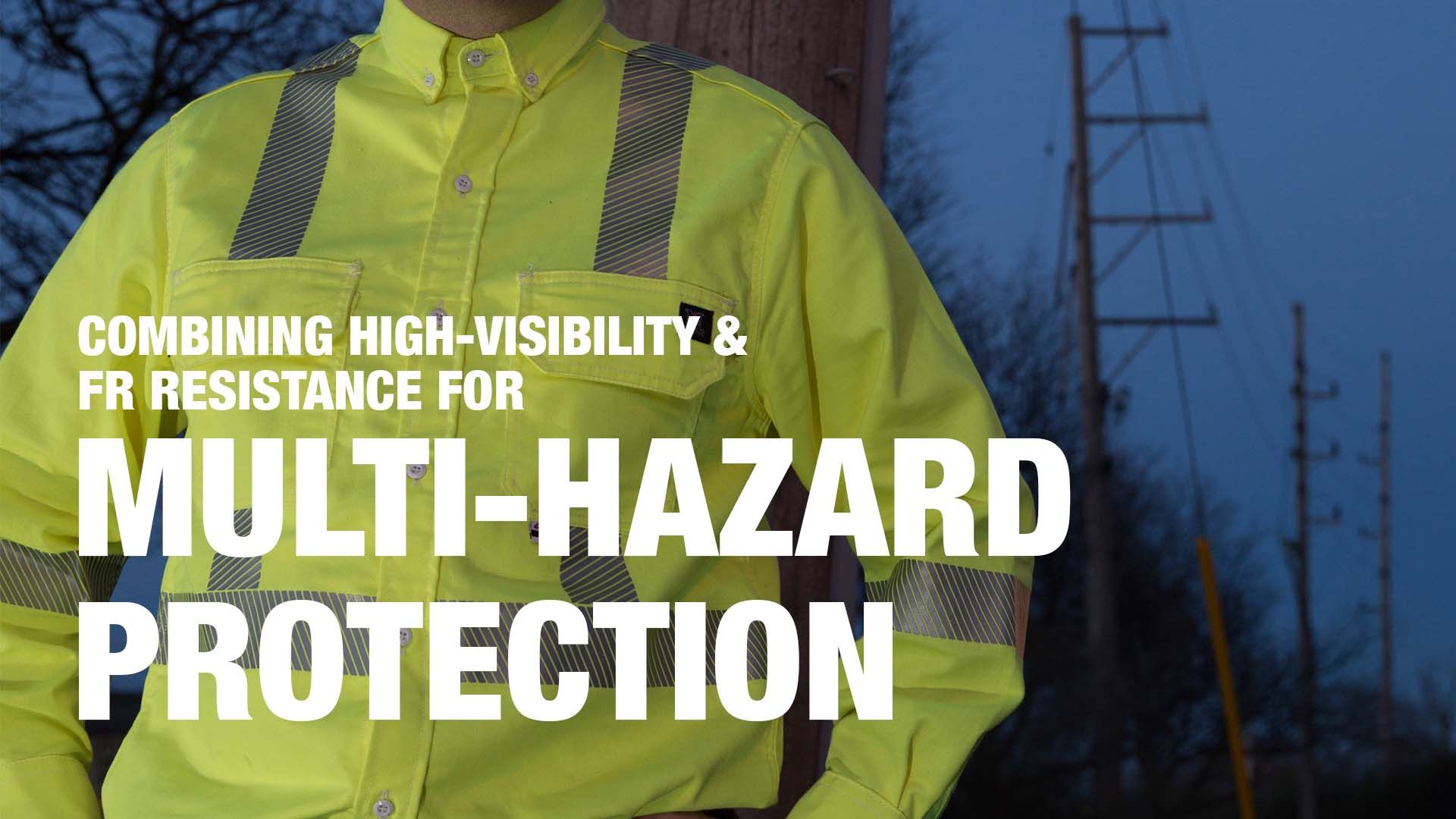
Combining High-Visibility & FR Resistance for Multi-Hazard Protection
FR Fabric Education
General
13 Aug 2018
Workers in utility and oil and gas industries have specific needs for high-visibility and FR protection on the job. They operate in areas with large amounts of electrically charged equipment and flammable materials, often during nighttime and in complex settings. While the need for FR PPE in these lines of...
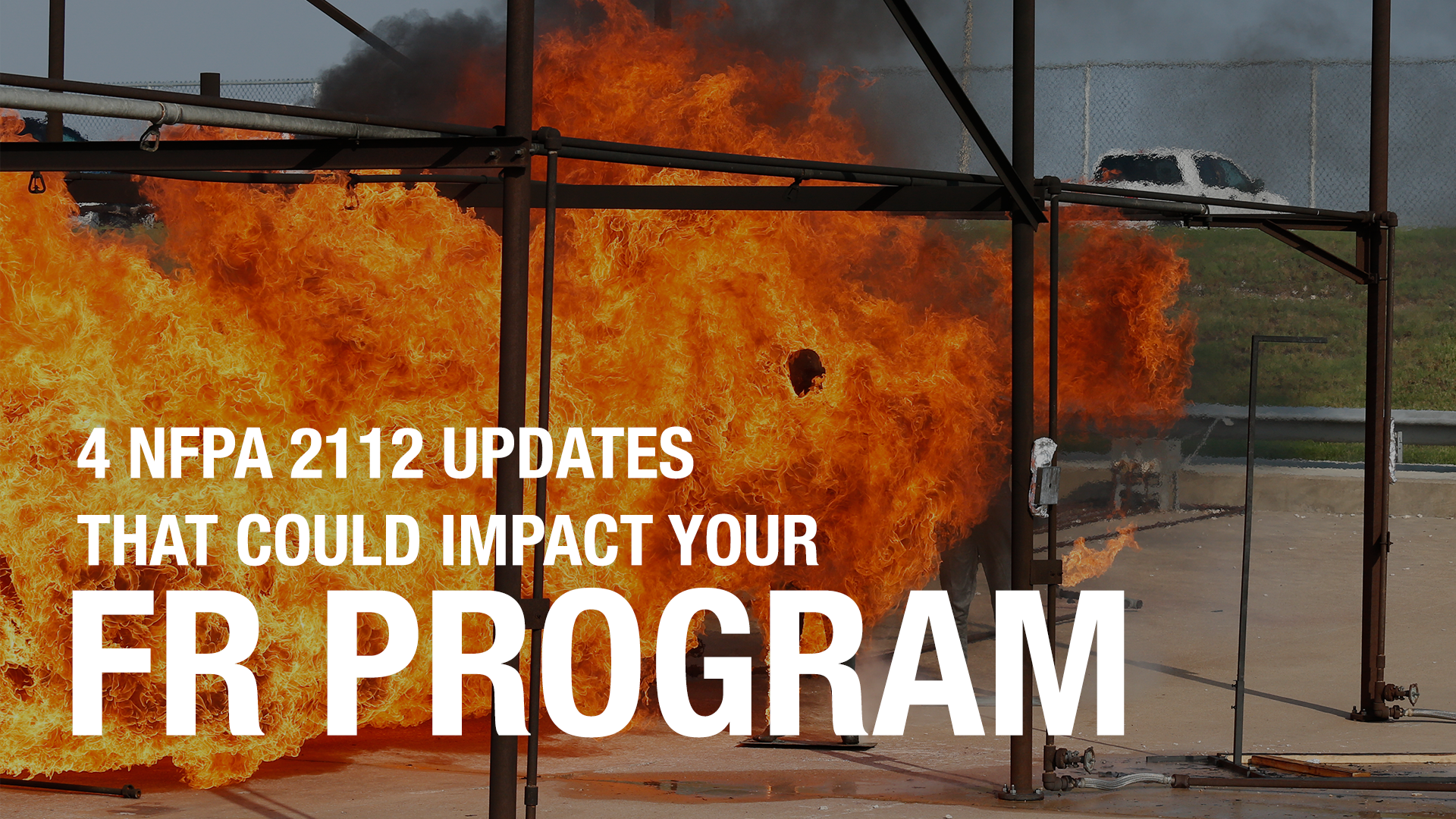
Four NFPA 2112 Updates that Could Impact Your FR Program
FR Fabric Education
FR Technical
General
18 Apr 2018
Back in the fall, NFPA 2112: Standard on Flame-Resistant Clothing for Protection of Industrial Personnel Against Short-Duration Thermal Exposures from Fire saw new changes implemented for the 2018 edition, which went into effect on September 6, 2017. The 2018 edition is a barometer for the safety industry as a whole...
Know what you are truly buying: The flame resistant, arc rated (FR/AR) fabric in workwear is the single largest factor in determining the garment’s protection level, comfort, and overall value. Every day, workers in electrical maintenance, utility, oil and gas, petrochemical, and steel industries work in hazardous environments. Unexpected and...
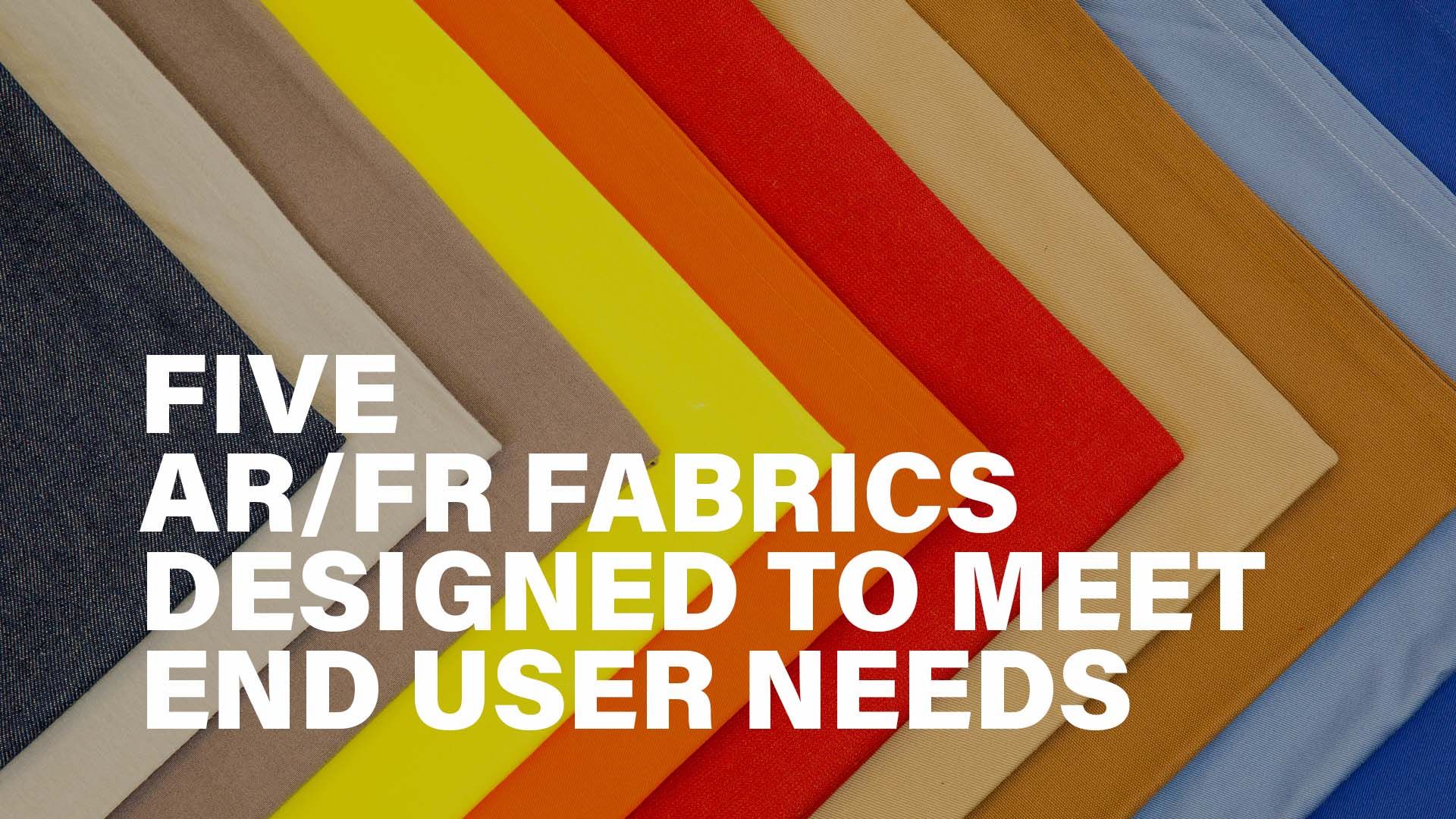
Five AR/FR Fabrics Designed to Meet End User Needs
Arc Flash Videos
FR Fabric Education
General
30 Oct 2017
Last month, Westex by Milliken joined the industry in one of the largest safety conferences in the U.S. – NSC Congress & Expo. It is an opportunity to be immersed in the industry - gleaning information, learning the latest developments and experiencing products in-person. For us, it is also an...
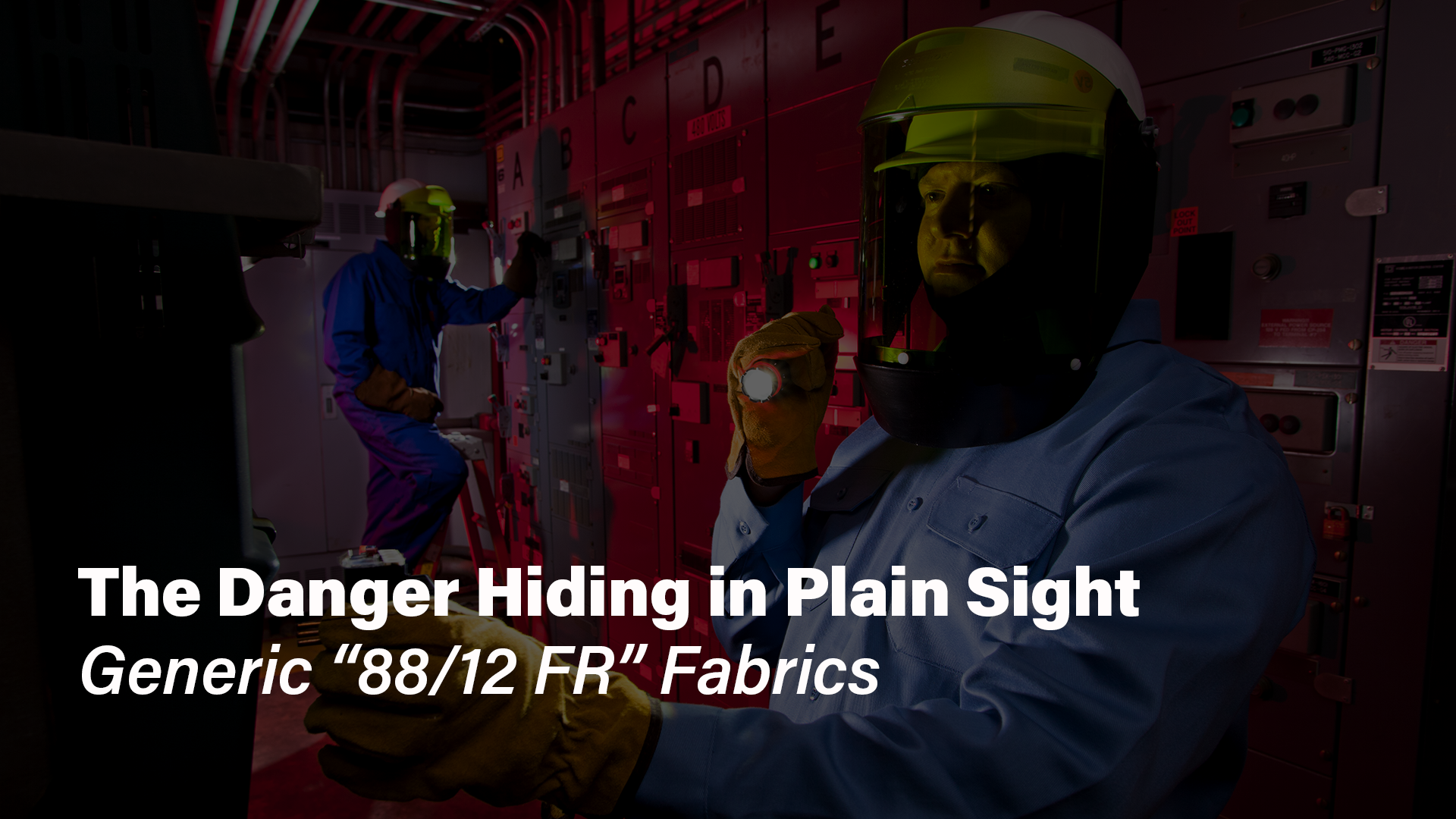
The Danger Hiding in Plain Sight: Generic "88/12 FR" Fabrics
General
FR Fabric Education
14 Sep 2017
The vast number of flame resistant fabrics, garments and manufacturers in today’s market has led to confusion around the differences between flame resistant (FR) fabric types, FR fabric manufacturing methods and FR garment brands. Many don’t realize that the term “88/12 FR” is nothing more than a fabric content or...
Standing Up for Worker Safety: A Case Study on Generic vs. Branded FR Fabrics
General
Arc Flash Videos
FR Fabric Education
29 Aug 2017
When Dan joined an American company as Environmental Health and Safety Manager, his team leader and Director of Environmental Health and Safety, Robin, immediately informed him that the field employees, had a high exposure to arc flash over the course of their daily operations. The company’s 1,500 field technicians interact...
Rethinking Risk Assessment in Today’s Work Environments
FR Fabric Education
General
FR Technical
16 Jun 2017
By Matt Burtney Content Marketing Associate, Superior Glove and Scott Francis Midwest Regional Market Manager, Westex by Milliken Embracing a Safety Culture: Since 1970, the workforce in the United States has doubled. In that same time, on-the-job fatalities have fallen by 68%. What’s the driving force behind this change? Promoting...
How ASSE Safety 2017 Innovations Enhance Employee Safety
FR Fabric Education
FR Technical
General
12 Jun 2017
By Scott Francis Midwest Regional Market Manager, Westex by Milliken and Samantha Hoch Marketing Communications Strategist, Haws® We believe when it comes to safety, you should not have to compromise. Leaders in the safety industry design innovative, yet functional, equipment to protect workers while on the job. From emergency response...
By Jason Reason CIH, CSP, CHMM Senior Vice President of Safety and Health Services, Lewellyn Technology, LLC with Scott Francis Midwest Regional Market Manager, Westex by Milliken The issue of combustible dust and its associated hazards (fire, deflagration, explosion) has always existed in several industries in one form or another....
Historically, the flame resistant properties of flame resistant fabrics could be separated into two categories: Inherent and treated. Once upon a time, this was a relevant distinction. It meant the difference between FR properties that were durable, and those that were not. However, these terms ceased to provide information to...
The success of your flame resistant (FR) clothing program depends heavily on the fabric used to construct the garments. Both arc rating and flash fire “2112” testing are done by fabric brand and weight; the fabric brand is also the key factor in durability of FR properties, initial and long...